"If you had unlimited time and budget, what would you build?"
Wrong question.
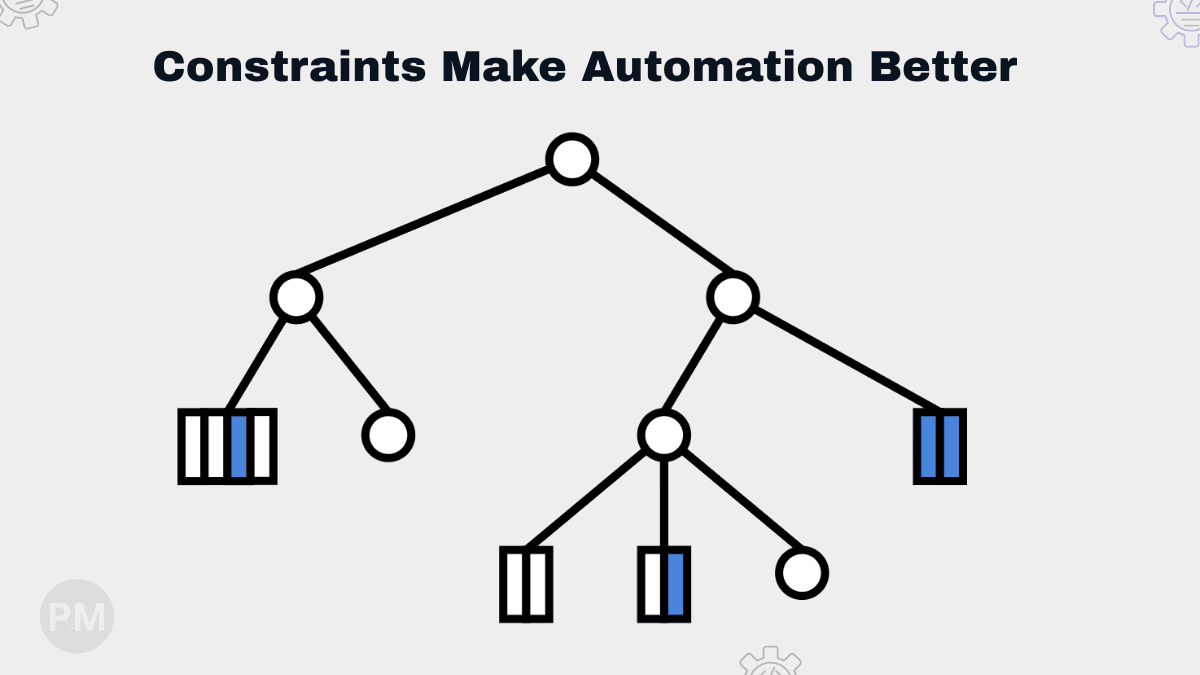
Constraints aren't obstacles. They're design tools.
Constraint 1: Scope
Without scope constraints: "I'll build a universal document processing platform that handles every file type!"
With scope constraints: "I'll build a tool that extracts data from structured invoices."
Result: The scoped tool ships in 2 weeks. The universal platform never ships.
Constraint 2: Cost
Without cost constraints: "I'll process every file through the best AI model, regardless of cost."
With cost constraints: "I'll use simple regex for consistent files and AI only for complex ones."
Result: The cost-constrained tool is 10x cheaper and just as effective.
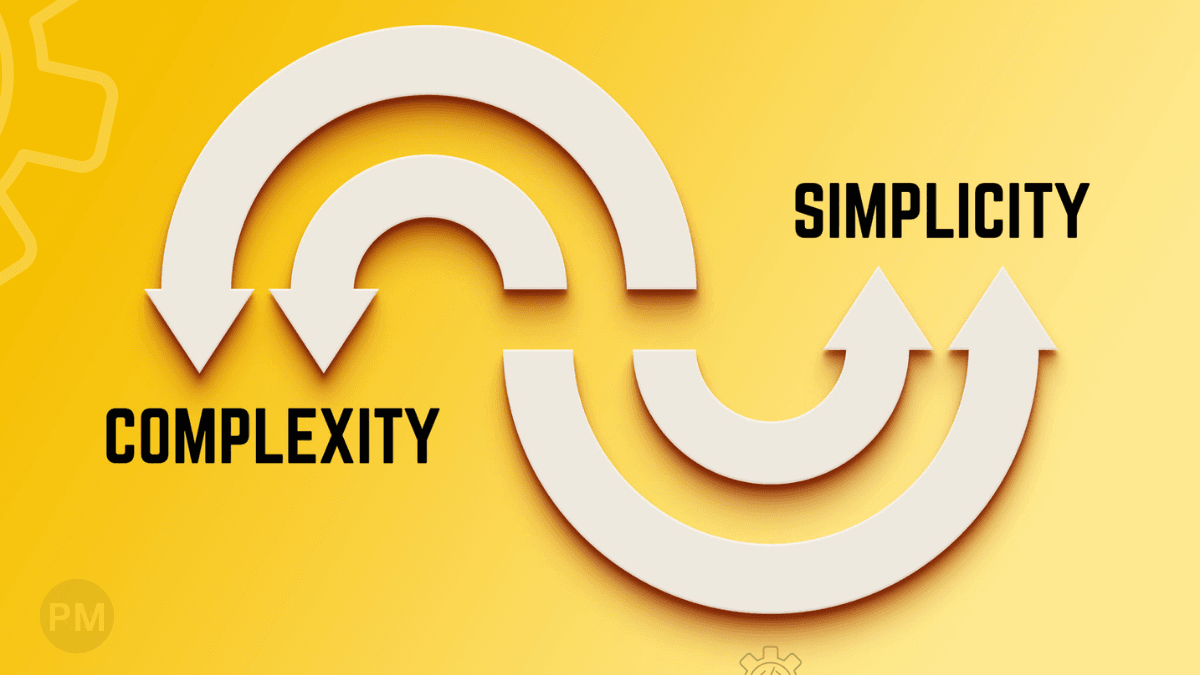
Constraint 3: Simplicity
Without simplicity constraints: "I'll add every feature users might want."
With simplicity constraints: "I'll build the smallest tool that solves the core problem."
Result: The simple tool is easier to maintain, easier to explain, and actually gets used.
Constraints Force Prioritization
When you have limits, you ask:
- "What's the minimum viable version?"
- "What can I cut without losing value?"
- "What's the simplest solution that works?"
These questions lead to better tools.
Real Example: Document AI Starter
When I built my Document AI Starter, I had constraints:
- Time: Build it in a weekend.
- Cost: Keep processing costs under $10 during development.
- Scope: Only handle standard invoice formats.
These constraints led to design decisions:
- Save raw JSON locally (to avoid re-processing during development).
- Use a simple CLI (no time for a fancy UI).
- Focus on one processor type (Form Parser).
The result? A tool that shipped fast and actually works.
Conclusion
Don't fear constraints. Embrace them.
They force you to:
- Prioritize ruthlessly
- Simplify aggressively
- Ship faster
Unlimited resources lead to bloat. Constraints lead to clarity.