As an automation engineer, I often get asked: "Can we automate this?" The answer is almost always "Yes."
But the better question is: "Should we?"
Just because you can write a script to do something doesn't mean you should. I've built sophisticated bots that saved 5 minutes a year, and simple scripts that saved 500 hours.
Here is the framework I use to decide what gets built.
See it in practice: My Document AI Starter passed this test with flying colors. Here is why.
1. Repetition vs. Complexity
The "XKCD Automation Chart" is a great starting point, but it misses one variable: Maintenance Complexity.
If a task takes 5 minutes a day, but the automation takes 5 hours to build and breaks once a week... you are losing money.
I look for tasks that are:
- High Repetition: Happens daily or weekly.
- Low Variance: The inputs and outputs are consistent.
- High Boredom: Human brains are bad at boring tasks (copy-pasting 500 rows).
2. Error Cost vs. Build Cost
Sometimes, automation isn't about speed. It's about accuracy.
If a manual data entry error costs you 10,000 (e.g., a typo in a wire transfer), automation is an insurance policy.
I built the Document AI tool because manual data entry from invoices is prone to typos. The "cost" of a typo in an invoice amount is high, so the "build cost" of the tool was justified.
3. Volume Thresholds
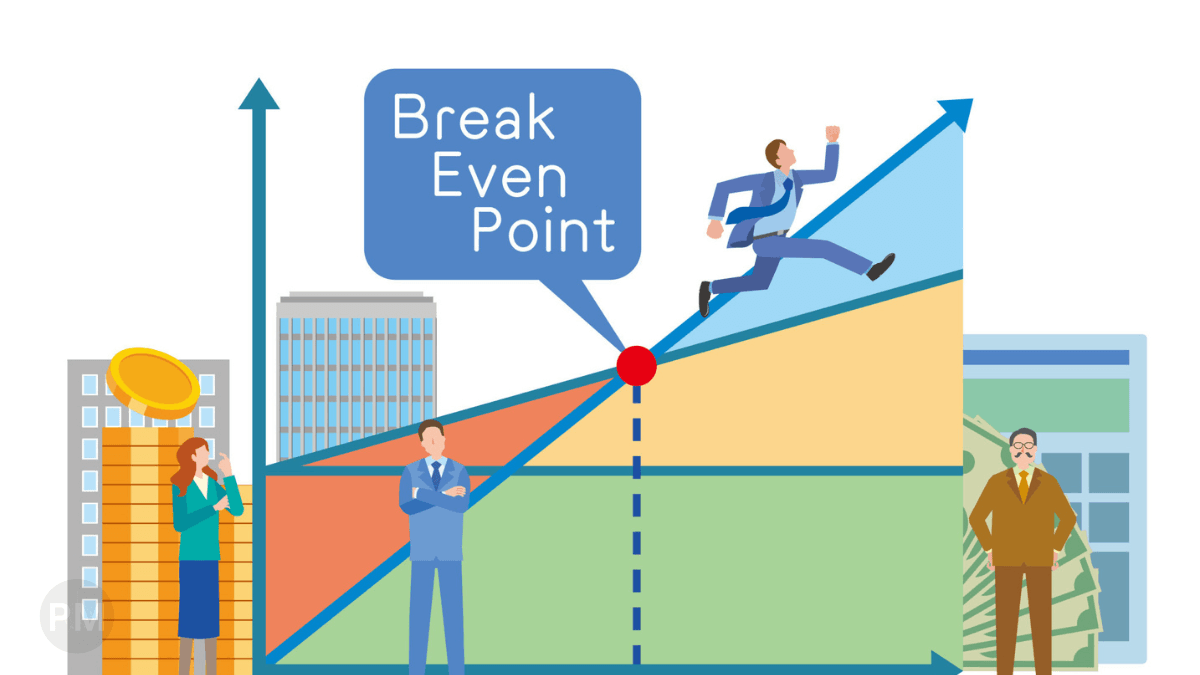
There is a volume "break-even point" for every tool.
- < 10 items/month: Do it manually. The context switching to run a script isn't worth it.
- 10-100 items/month: Build a simple "Tool" (like a local CLI).
- > 100 items/month: Build a "System" (fully automated background job).
4. Human-in-the-Loop Moments
The biggest trap is trying to automate 100% of a process. The "last mile" of automation often accounts for 80% of the complexity.
Instead of building a super-smart AI that handles every edge case, I build "Human-in-the-Loop" systems. The bot does 90% of the work, and flags the weird 10% for a human to review.
This keeps the build simple and the trust high.
Conclusion
Don't automate for the sake of automation. Automate to buy back your time and sanity. Start with the tasks that are high-volume, low-variance, and high-risk.