"Our AI is 95% accurate!"
Great. But what happens with the 5% it gets wrong?
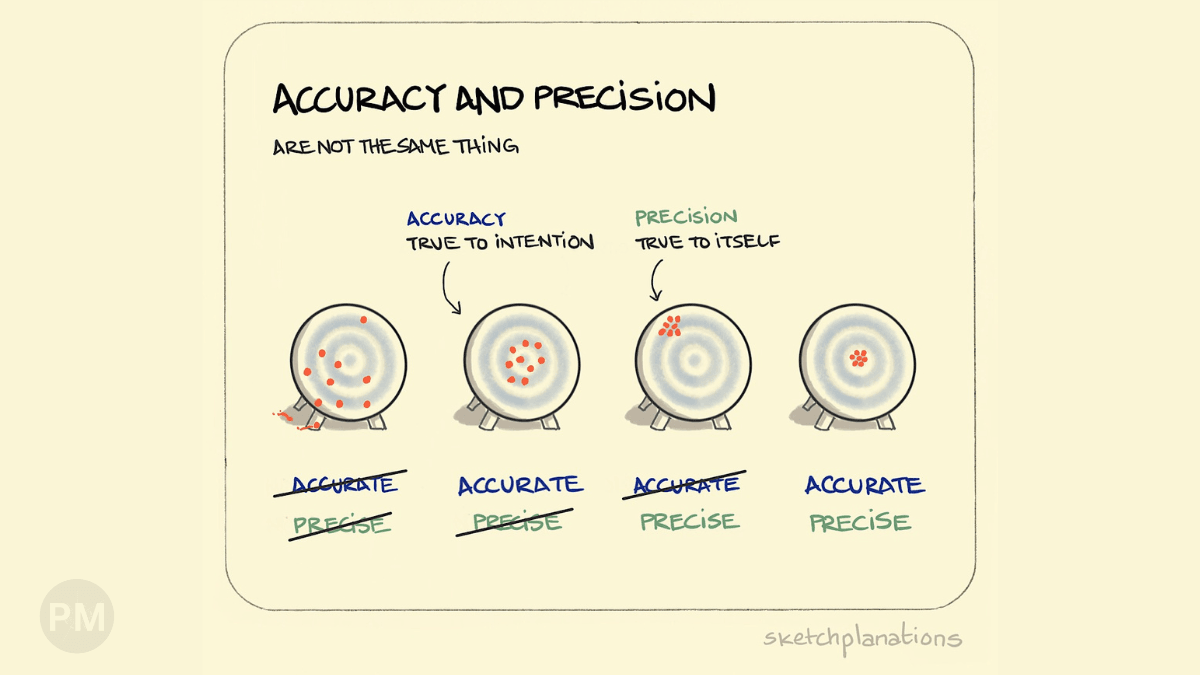
Accuracy is a useful metric in research. In production, it's incomplete.
Replace "Accuracy" With Better Metrics
1. Confidence
Accuracy tells you the model was right. Confidence tells you when the model is unsure.
A model that's 90% accurate but always flags low-confidence results is better than a model that's 95% accurate but never warns you.
Why it matters: You can route low-confidence results to human review.
2. Consistency
Does the model extract the same field the same way every time?
Example:
- Invoice 1: Extracts "Invoice Date" as
2025-01-15 - Invoice 2: Extracts "Invoice Date" as
01/15/2025 - Invoice 3: Extracts "Invoice Date" as
Jan 15, 2025
All are "accurate," but inconsistent. This breaks downstream systems.
3. Recoverability
When the AI fails, can you debug it?
Good failure:
Extracted: Total = -$500 (Confidence: 0.45)
You know it failed and why (negative total is impossible).
Bad failure:
Extracted: Total = -$500 (Confidence: 0.99)
The AI is confident but wrong. You won't catch this without manual review.
The Real Metric: Usability
The only metric that truly matters: Can stakeholders use this data without manual cleanup?
A 90% accurate model with:
- High confidence scores
- Consistent formatting
- Clear error flags
...is more usable than a 98% accurate model that fails silently.
Conclusion
Stop optimizing for accuracy alone.
Optimize for:
- Confidence (know when to doubt)
- Consistency (same input, same format)
- Recoverability (debug failures)
Usability beats accuracy every time.