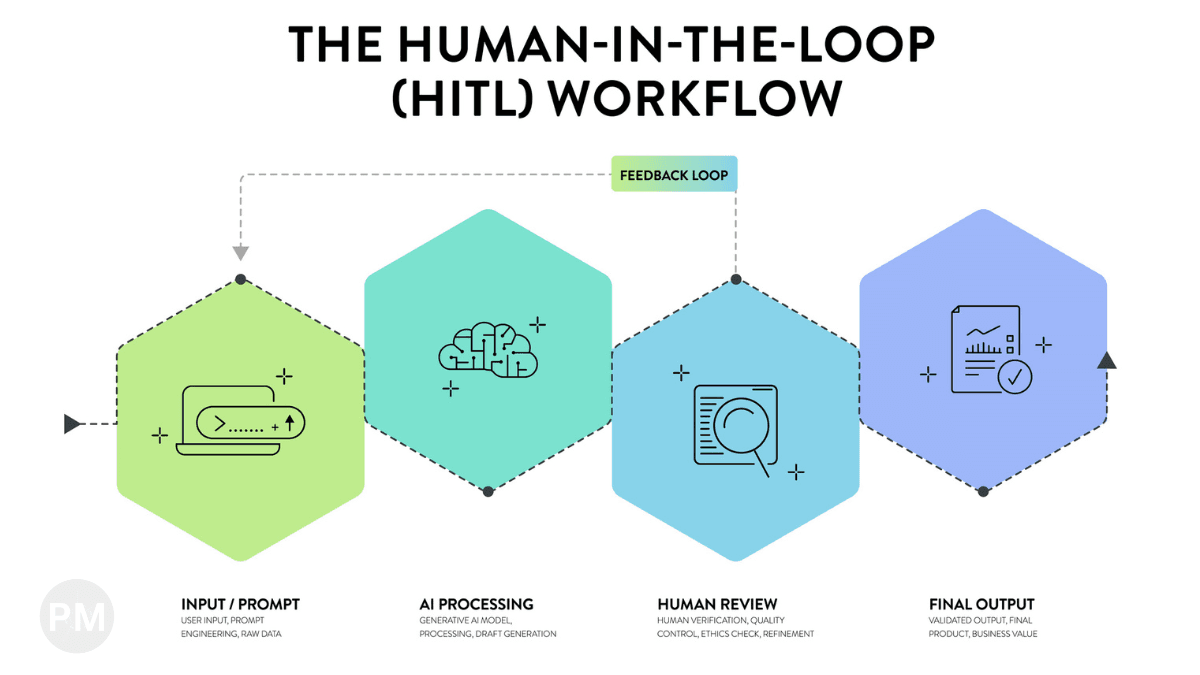
The paradox of AI extraction: you use it to save time, but then spend hours verifying the results.
There's a better way: strategic validation.
Spot Checks (Not Full Audits)
You don't need to check every result. You need to check enough to be confident.
The 5% Rule: Randomly sample 5% of your results. If the error rate is acceptable, trust the rest.
Example:
- Process 100 invoices.
- Manually check 5 random ones.
- If 4/5 are correct, you're at ~80% accuracy.
- If that's acceptable, proceed.
Confidence Thresholds
Most AI APIs return a confidence score (0.0 to 1.0).
Use this to your advantage:
- Auto-approve anything > 0.90 confidence.
- Flag for review anything < 0.70 confidence.
This focuses your validation effort on the uncertain results, not the obvious ones.
Sampling Strategies
Random sampling catches general errors. Stratified sampling catches edge cases.
Example:
- Sample 5 invoices from each vendor.
- Sample 5 invoices from each month.
- Sample 5 invoices with amounts > $10,000.
This ensures you catch vendor-specific quirks and date formatting issues.
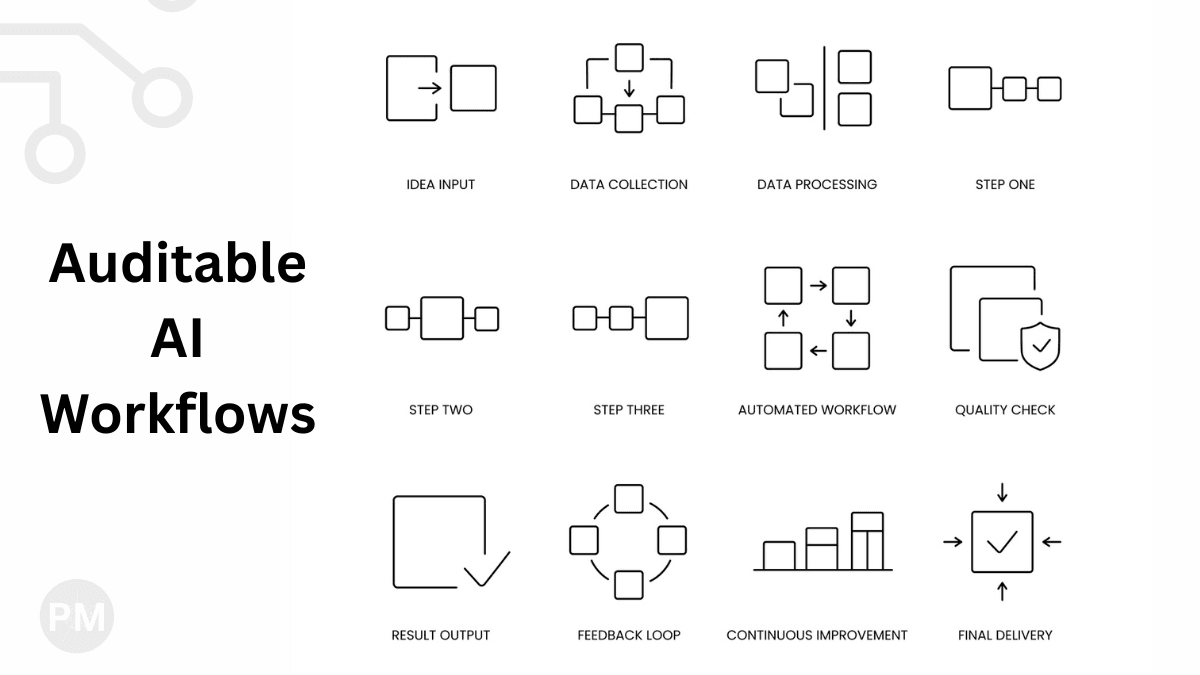
Logs as Evidence
Validation isn't just about correctness. It's about traceability.
Log every extraction:
- Input file
- Extracted fields
- Confidence scores
- Timestamp
If someone challenges a result months later, you can show exactly what the AI extracted and at what confidence level.
Conclusion
Don't validate everything. Validate strategically:
- Spot-check a sample
- Use confidence thresholds
- Focus on edge cases
- Log everything
Trust, but verify—smartly.