AI is powerful. But power without trust is useless.
If you can't trust the AI's output, you'll spend more time double-checking than if you'd done the task manually.
Here is how I build AI workflows that earn trust.
In practice: This is how I implemented trust checks in my Document AI tool.
The Trust Problem
AI systems fail silently.
A human makes a mistake and says "I'm not sure about this one." AI makes a mistake and says "95% confidence!" (and it's wrong).
Without trust signals, AI is dangerous.
1. Confidence Scores (Use Them)
Most AI APIs return a confidence score (0.0 to 1.0).
Don't ignore this.
I set thresholds:
- > 0.90: Auto-approve.
- 0.70 - 0.90: Flag for review.
- < 0.70: Reject or request human input.
This creates a safety net. High-confidence results flow through. Low-confidence results get human oversight.
2. Validation Rules
Even with high confidence, AI can be wrong.
Add sanity checks:
if extracted_total < 0:
    flag_error("Negative total is impossible")

if extracted_date.year < 2000:
    flag_error("Date is too old, likely a parsing error")
These simple rules catch 80% of AI errors.
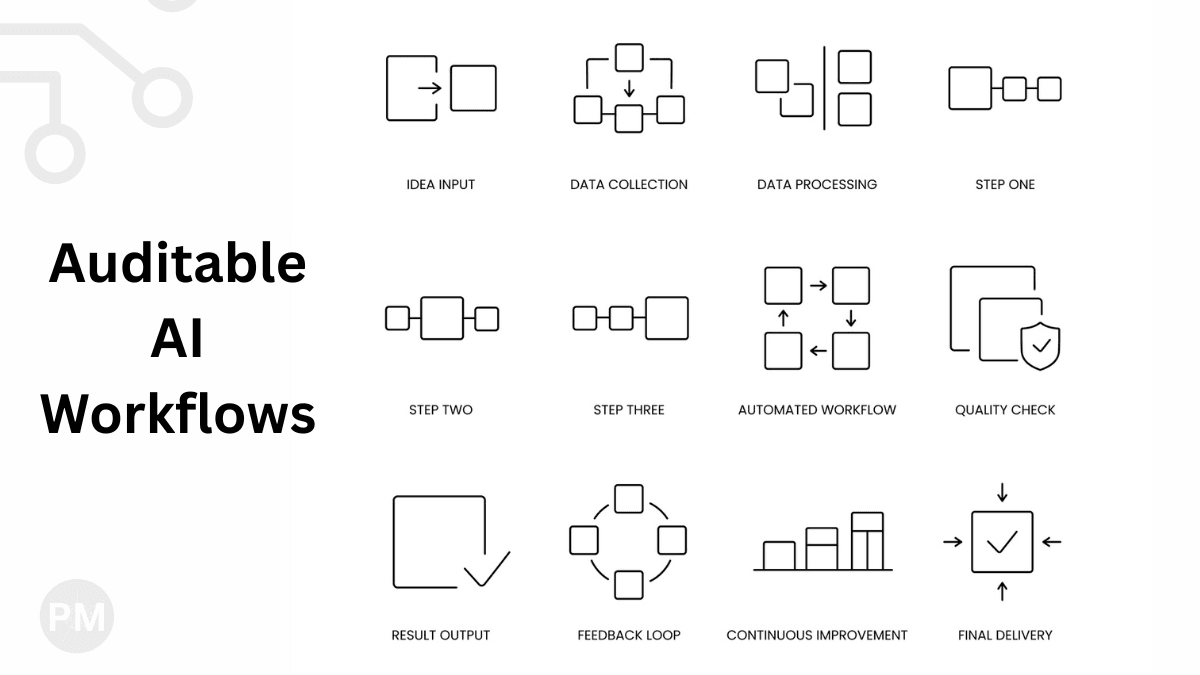
3. Logging (For Accountability)
Trust requires transparency.
I log every AI call:
- Input file
- Output data
- Confidence scores
- Timestamp
If something goes wrong, I can trace it back. This builds trust with stakeholders because they can audit the system.
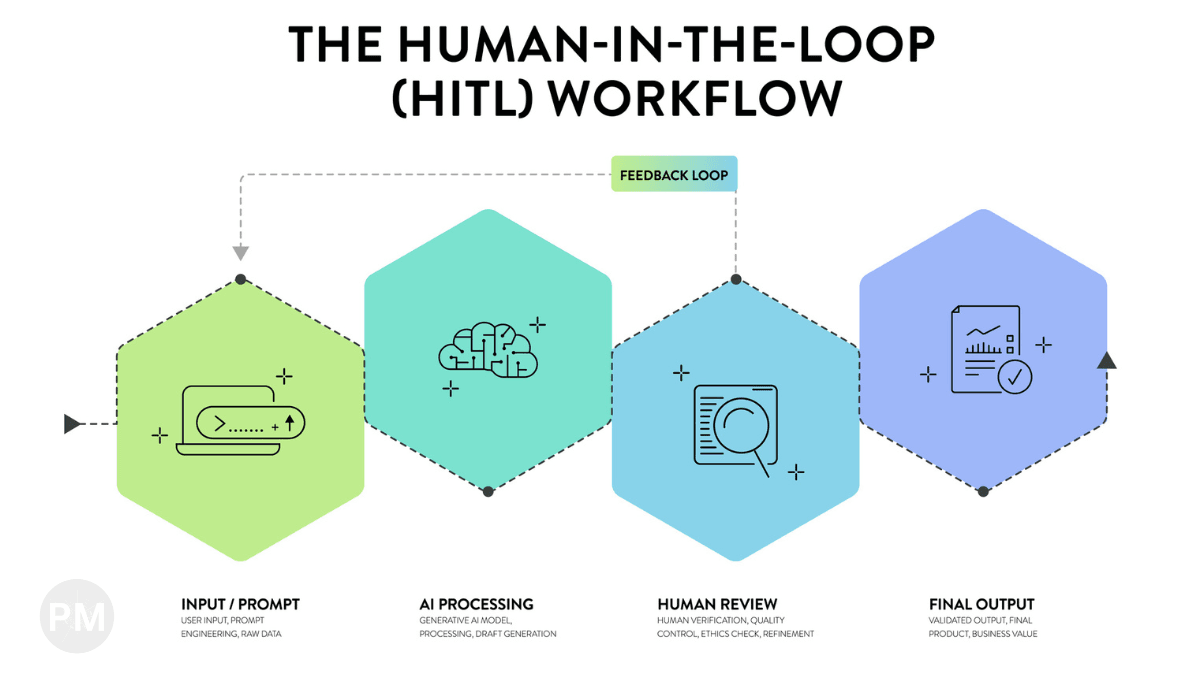
4. Human Review Workflows
Don't try to automate 100%.
Build a human-in-the-loop system:
- AI processes 100 invoices.
- AI flags the 10 with low confidence.
- Human reviews only those 10.
This balances speed (AI) with accuracy (human).
Real-World Example
In my Document AI workflow:
- I extract invoice data using Google Cloud.
- The API returns confidence scores for each field.
- I highlight low-confidence fields in yellow in the Excel export.
- The user sees exactly which data needs verification.
This creates trust. The user doesn't blindly trust the AI, but they don't distrust it either.
Conclusion
AI without trust is just expensive guessing.
To build trust:
- Use confidence scores.
- Add validation rules.
- Log everything.
- Keep humans in the loop.
When users trust your AI, they'll actually use it.