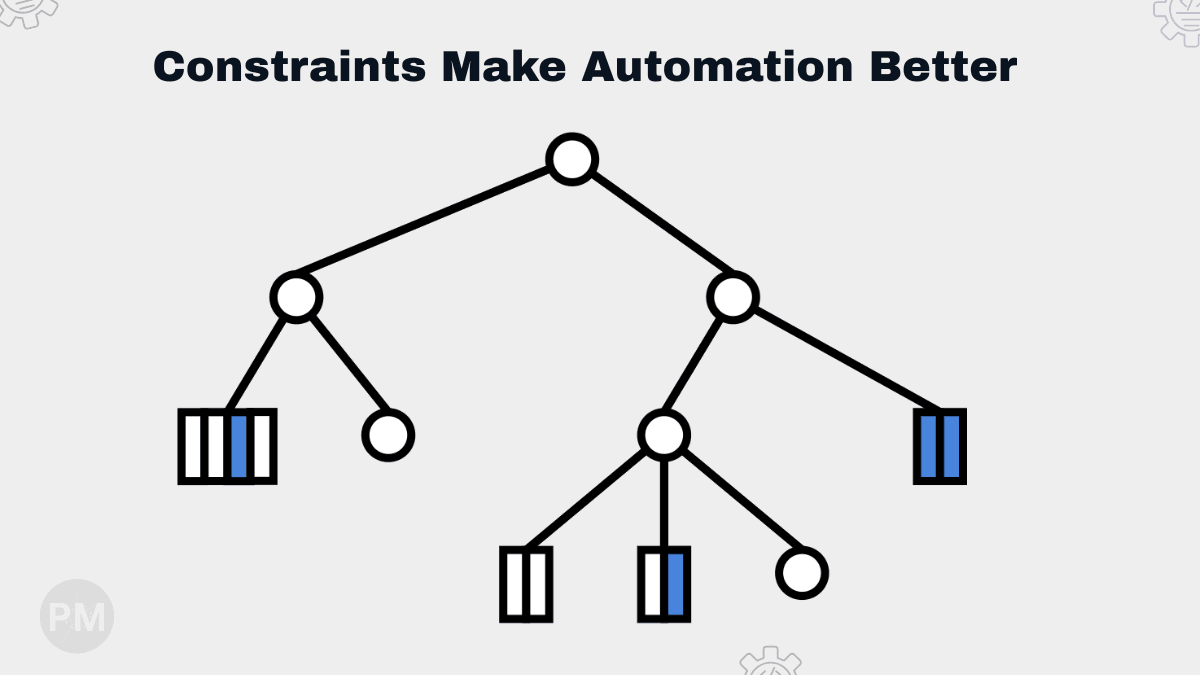
AI is trendy. But it's not always the answer.
Sometimes, simple is better.
Last verified: May 13, 2026. Pricing examples below use the public Google Cloud Document AI pricing page as a reference point. Always confirm the exact processor rate before estimating a project.
When AI Is Overkill
1. The Document Format Is Perfectly Consistent
Example: Your vendor sends invoices in the exact same format every month. The invoice number is always on line 3, column 1.
Solution: Use regex or simple string parsing.
import re
text = pdf_to_text(file)
invoice_num = re.search(r"Invoice #: (\d+)", text).group(1)
No need for AI. This is instant and free.
2. You're Processing Text-Based PDFs (Not Scans)
If your PDF already has extractable text (you can Ctrl+F it), you don't need OCR or AI.
Solution:
Use pypdf or pdfplumber to extract text directly.
import pdfplumber
with pdfplumber.open("invoice.pdf") as pdf:
    text = pdf.pages[0].extract_text()
AI adds cost and complexity for zero benefit here.
3. You Have Structured Data (CSV, JSON, XML)
If your "document" is already structured, don't use Document AI.
Just parse it:
import pandas as pd
df = pd.read_csv("data.csv")
4. Your Volume Is Low
AI costs money, and the rate depends on the processor. As of this review, Google lists Form Parser at $30 per 1,000 pages in the lowest published tier, or about $0.03/page. Layout Parser, OCR, invoice parsing, and specialized processors use different pricing models.
If you're processing 10 Form Parser pages per month, the processing estimate is roughly $0.30 before storage, orchestration, and development time. But if you're spending 2 hours integrating the AI, manual work is still cheaper.
When You DO Need AI
Use AI when:
- The layout varies (different vendors, different formats).
- You're processing scanned images (need OCR).
- You need confidence scores (to flag uncertain extractions).
- You're processing thousands of pages (automation ROI).
Conclusion
Don't use AI because it's cool.
Use AI because simple alternatives don't work.
Before reaching for AI, ask:
- Is the format consistent?
- Is the text already extractable?
- Is the volume worth the cost?
If the answer is "yes" to all three, skip the AI.
Image adapted from Sketchplanations.