
The Agentic Workflow: How I Built My 2026 Portfolio with AI
Speed is the new superpower. Here's a look behind the curtain at how I use AI agents to architect, code, and launch projects in record time.
RPA, AI Extraction, and Workflow Systems. Focused on building reliable, production-ready automation for enterprise scale.

Speed is the new superpower. Here's a look behind the curtain at how I use AI agents to architect, code, and launch projects in record time.

Static diagrams are boring. Learn how to use React Flow to build interactive, draggable workflow maps that help clients understand complex automation.

Automation is the secret weapon of high-performance businesses. Learn how to set up a professional nurture sequence in MailerLite from scratch.

Subscription fatigue is real. Why I moved my newsletter from a simple 'plug-and-play' form to a custom-integrated system I control.

Big Data often contains 'fake' information—metrics that are just linear combinations of other metrics. Learn how to use Matrix Rank in MATLAB to clean up your datasets and simplify reporting.

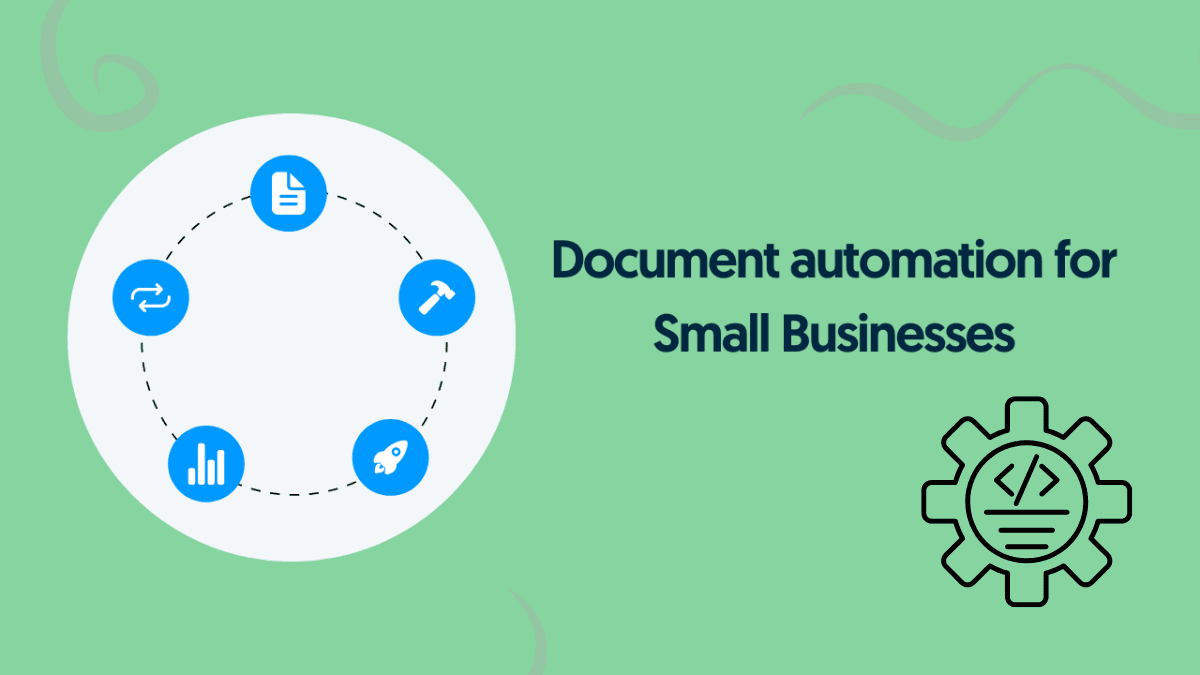
Think enterprise-grade AI is out of reach? Here are five practical ways small teams can use Document AI to save hundreds of hours.

The same vector can have different coordinates depending on the basis. Learn how to compute change-of-coordinates matrices in MATLAB using rref and augmented matrices.

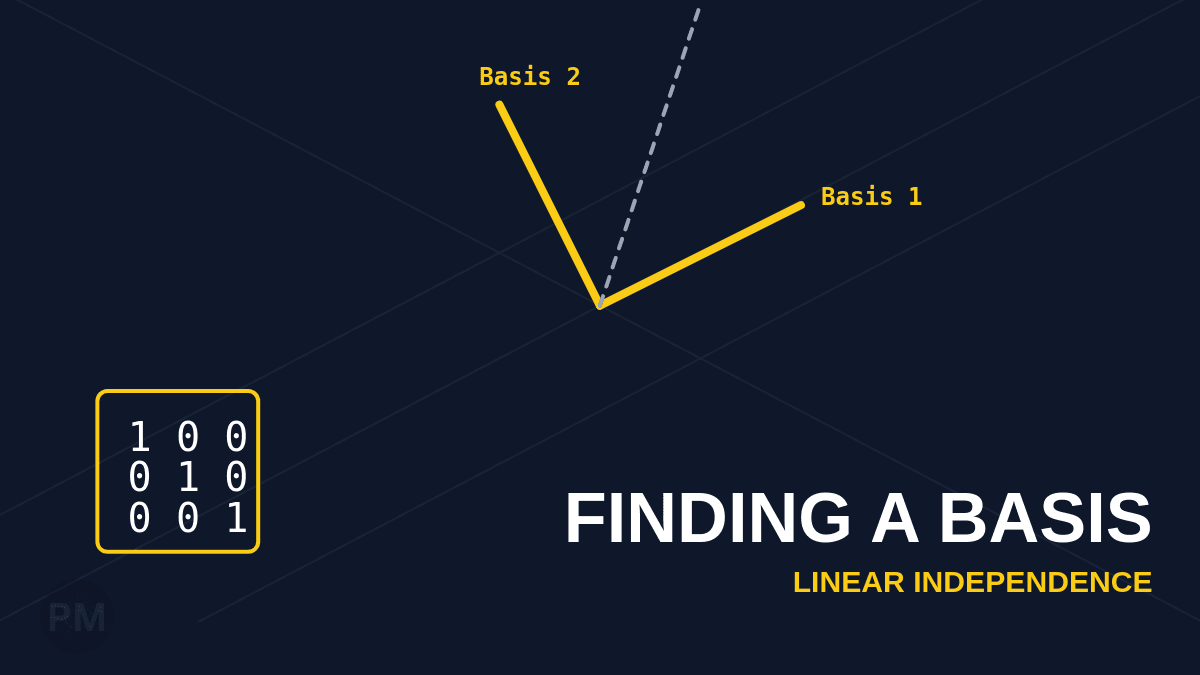
A basis is the foundation of vector spaces. Learn how to extract a basis from a set of vectors and complete it using MATLAB's rref function and the identity matrix technique.

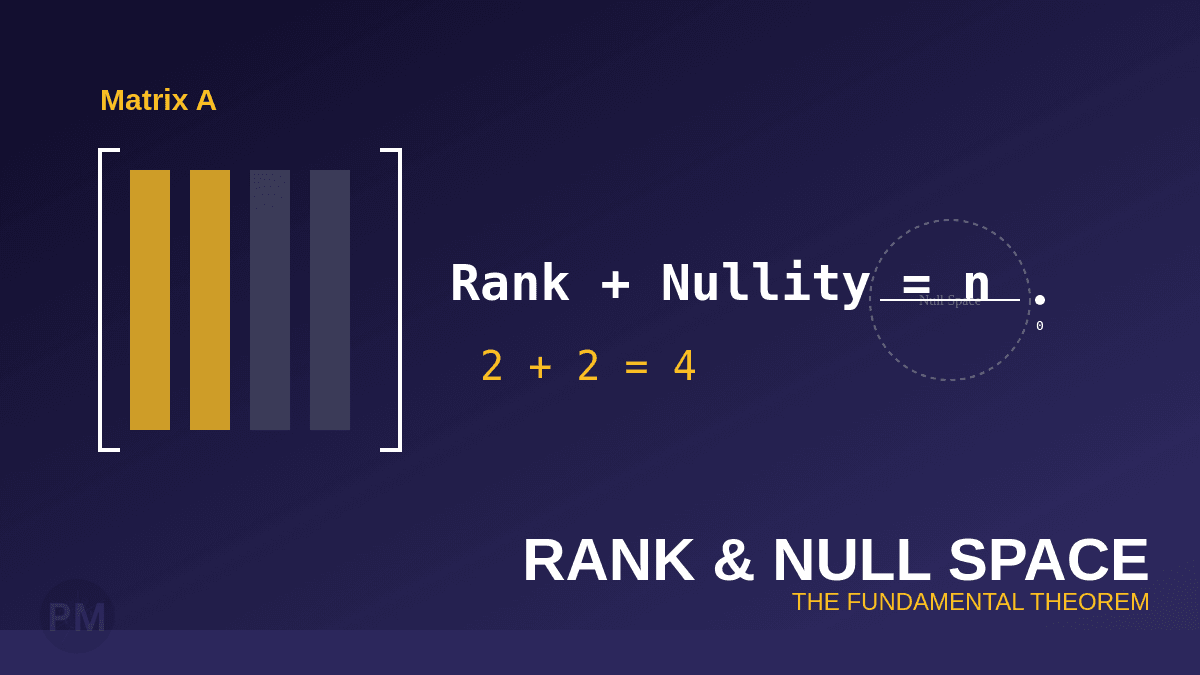
The rank and null space are fundamental properties of matrices. Learn how to compute them efficiently in MATLAB and verify the Rank-Nullity Theorem.

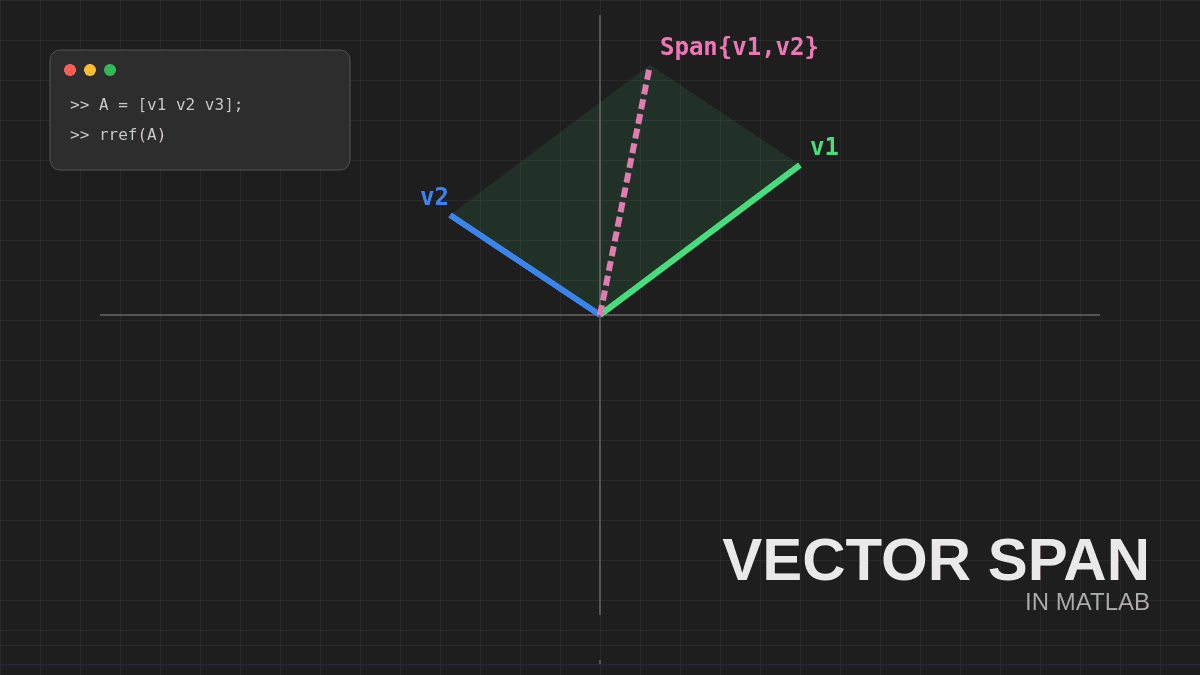
Learn how to use MATLAB's rref function to determine whether a set of vectors spans a space and whether a specific vector lies in that span—essential skills for linear algebra.

Dataverse multi-select choice columns are a power-user's dream but a developer's nightmare. Learn the correct way to Patch multi-select data without losing your mind—or your data integrity.

Stop writing spaghetti scripts. Here is the modular, clean architecture I use for every Python automation project.

Enterprise tools like LexAudit and Thomson Reuters are powerful, but expensive. Here is how small firms can build a 'Lite' version using tools they already have.

SharePoint image columns and attachments often confuse Power Automate developers. Learn the key differences, Base64 requirements, and how to build a reliable upload flow for mobile and web.

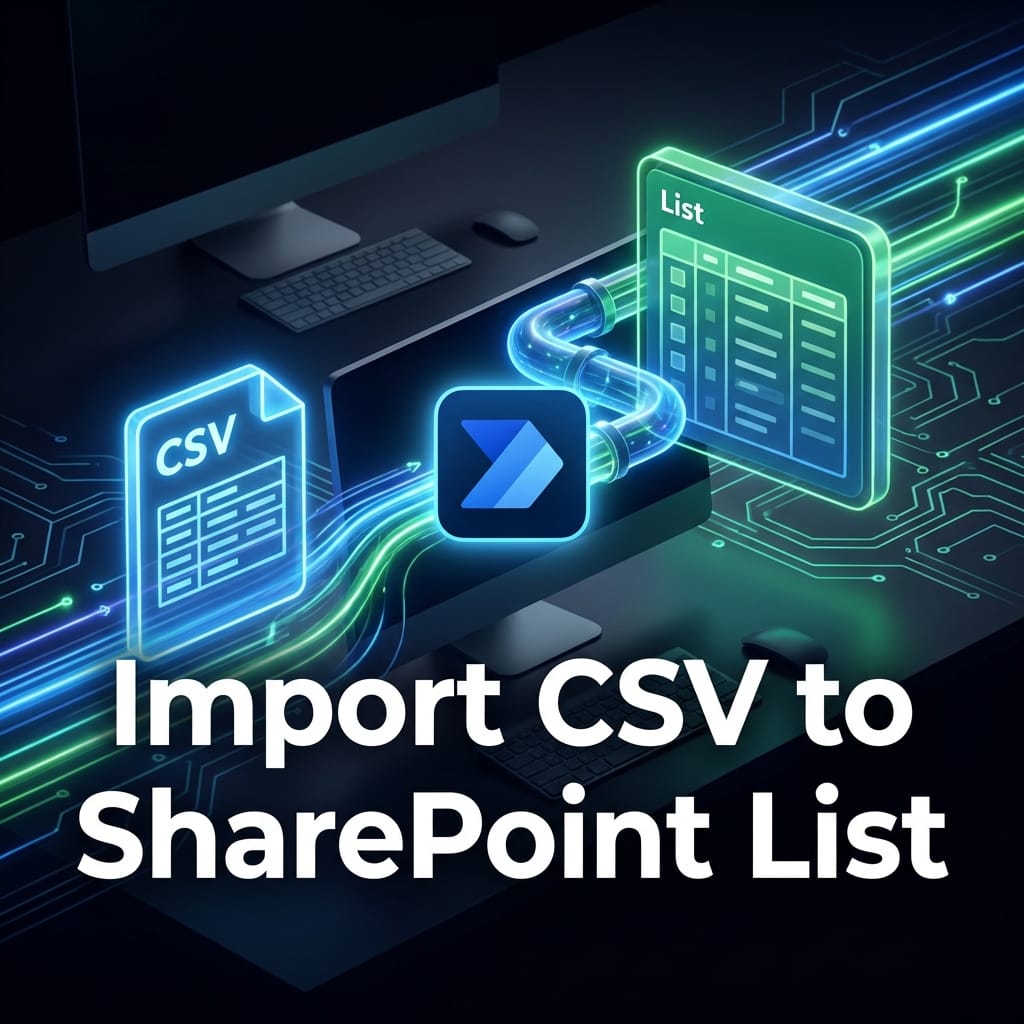
Manually entering data from CSVs into SharePoint is a waste of time. Learn how to build a robust Power Automate flow that reads CSV files and creates list items—completely without premium connectors.

Confused about whether to use simple OCR or advanced Document AI? This guide compares them head-to-head on cost, accuracy, and engineering effort.
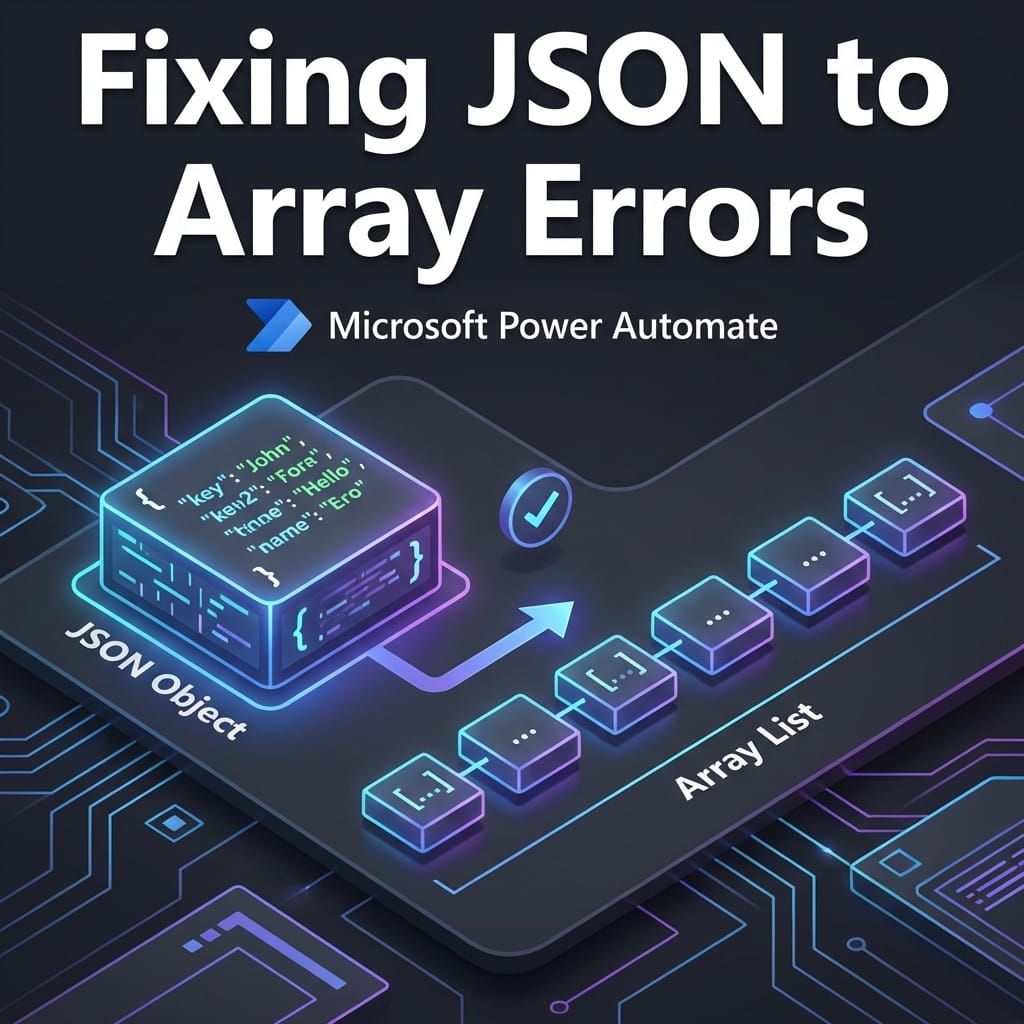
Stop troubleshooting nested loops. If your Power Automate flow is failing to append JSON values to an array, it's likely a type mismatch. Learn the correct way to handle JSON arrays and objects.

A technical breakdown of Google Cloud's Form Parser: what it extracts, how confidence scores work, and when it beats traditional OCR.

A builder's log of the mistakes, unexpected costs, and architectural decisions I encountered while building a production-ready Document AI workflow.

I used to hate Excel. I wanted everything in a custom dashboard. Then I realized that for 90% of business owners, Excel is the only tool they actually trust.

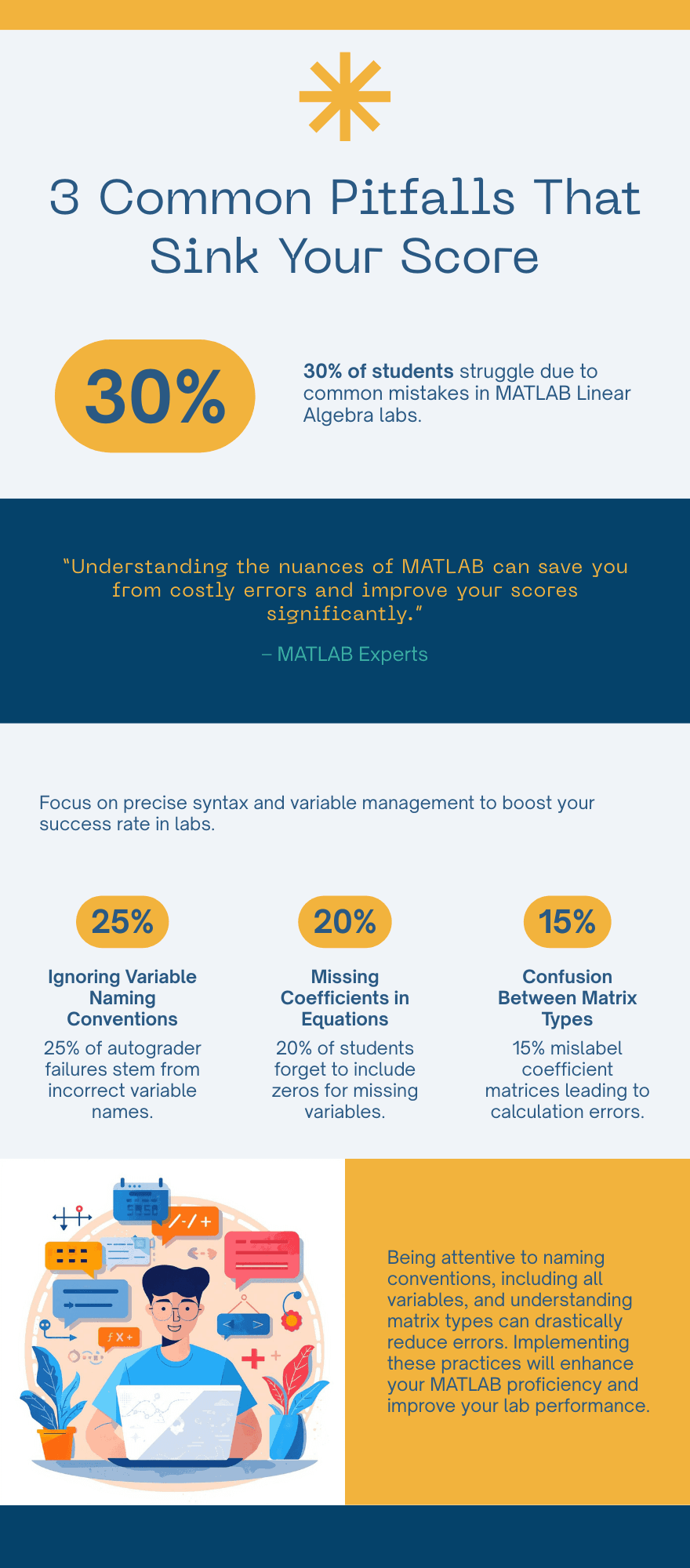
Avoid the common pitfalls that cause 85% of autograder failures in Applied Linear Algebra by mastering formatting and matrix logic.

Fast automation that breaks trust is worthless. Reliable automation that you can trust is priceless. Here's the shift in mindset.

AI demos win hackathons. Boring automation wins in production. Here's why I choose boring every time.

Unlimited resources kill focus. Constraints force creativity. Here's why I embrace limits when building tools.

Public documentation feels vulnerable. But it's the best forcing function for clarity, quality, and accountability.

Automation isn't just about code. It's about understanding systems, constraints, and humans. Here's what I've learned.

One-off scripts die in a folder. Reusable tools get used for years. Here's my 3-step process for turning experiments into products.

AI is powerful. But sometimes a regex is all you need. Here's when to skip the AI and use simpler tools.

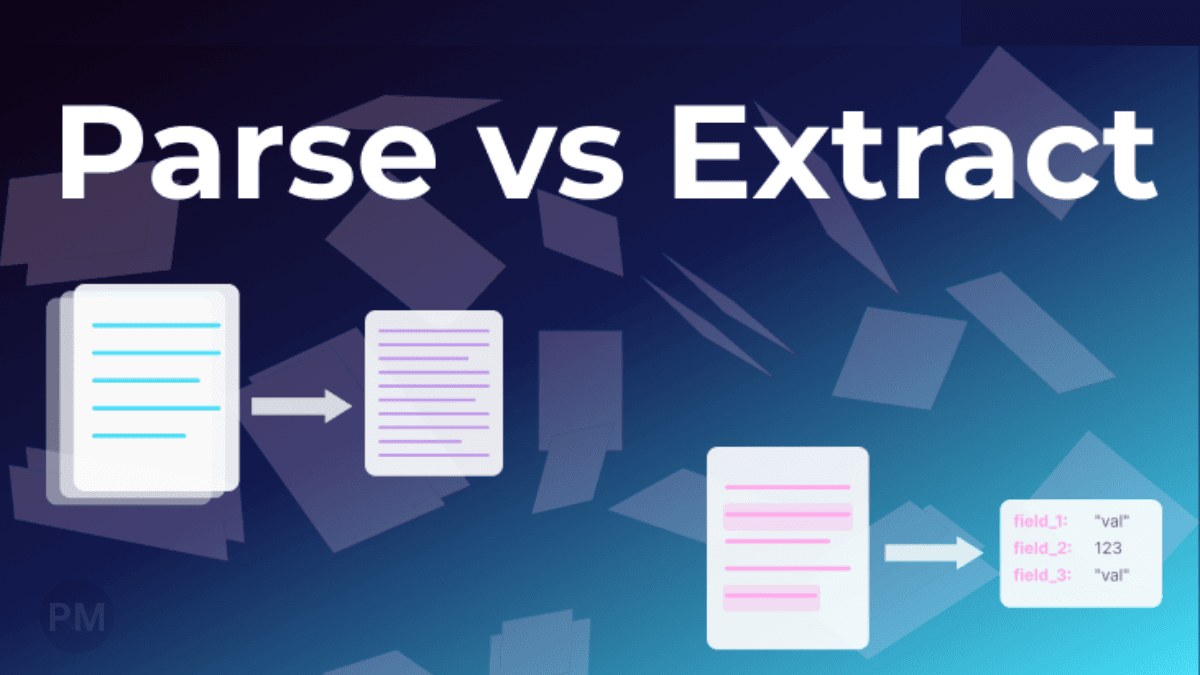
These terms get used interchangeably. But they're different—and understanding the difference will save you hours.

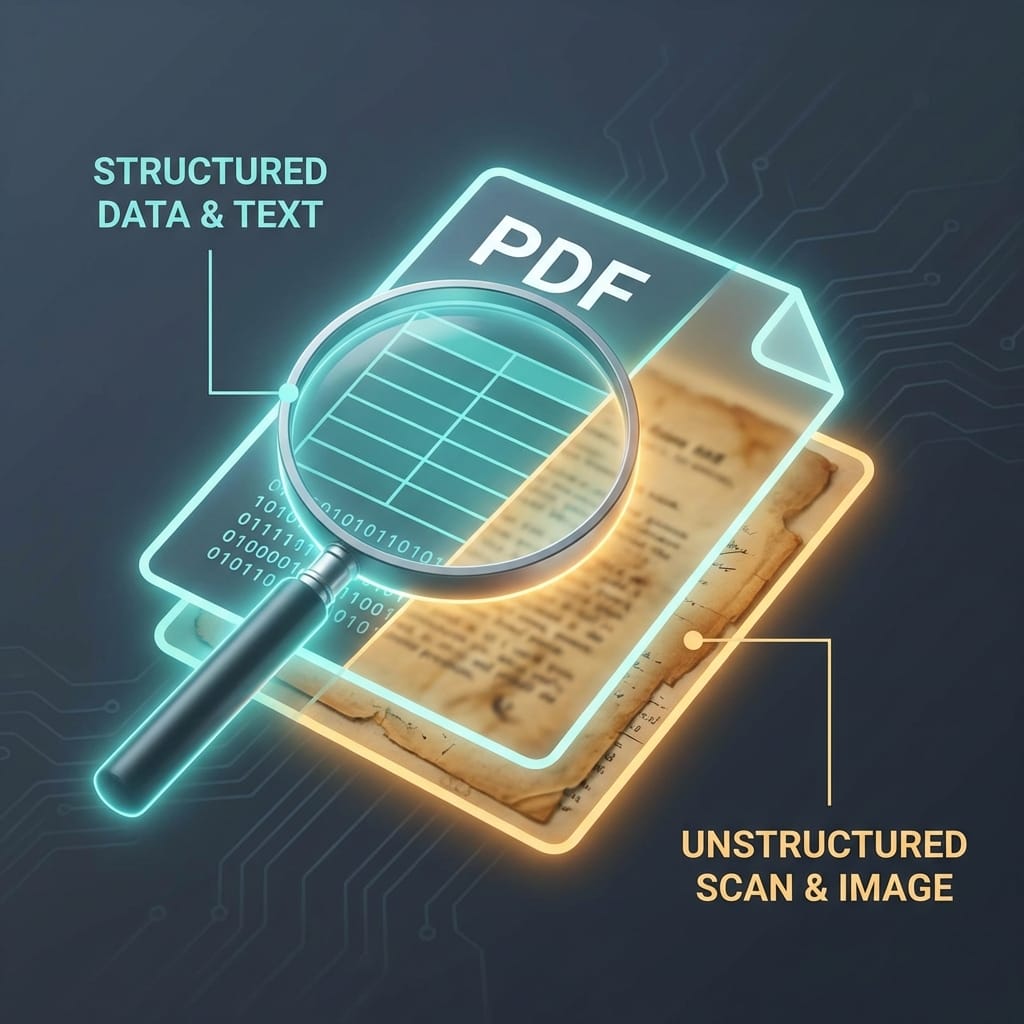
Not all PDFs are created equal. Here is an honest builder's guide to what works, what’s a headache, and what you should probably just skip.

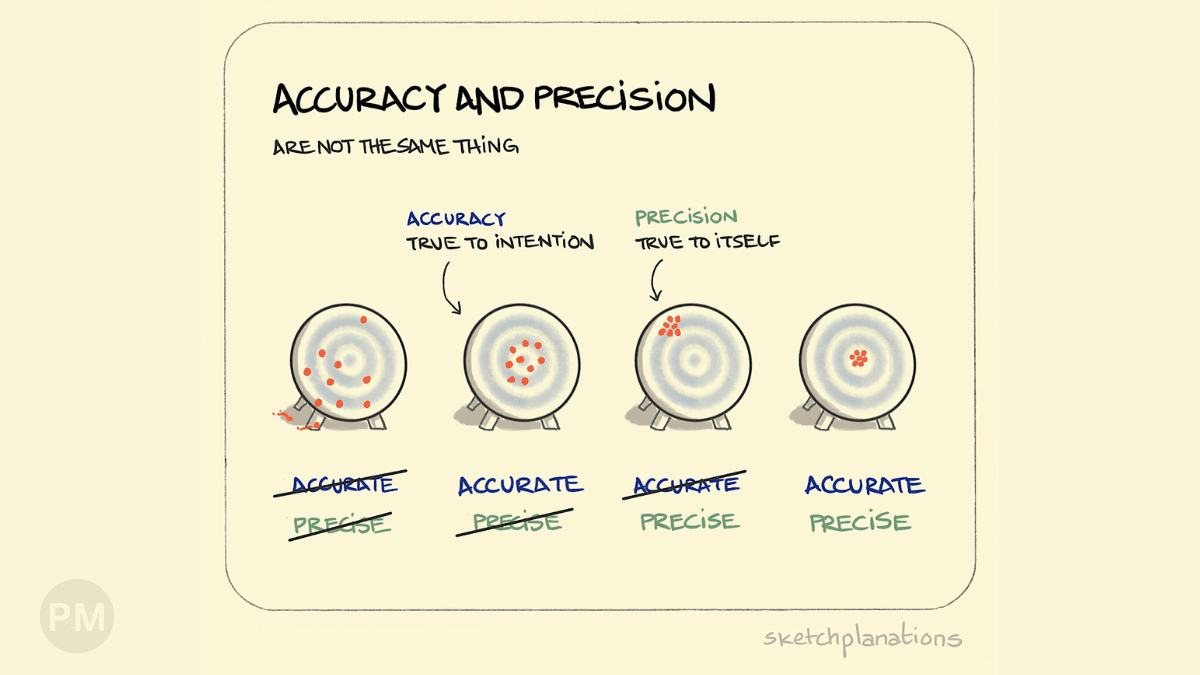
Everyone obsesses over accuracy scores. But in production, confidence, consistency, and recoverability matter more.

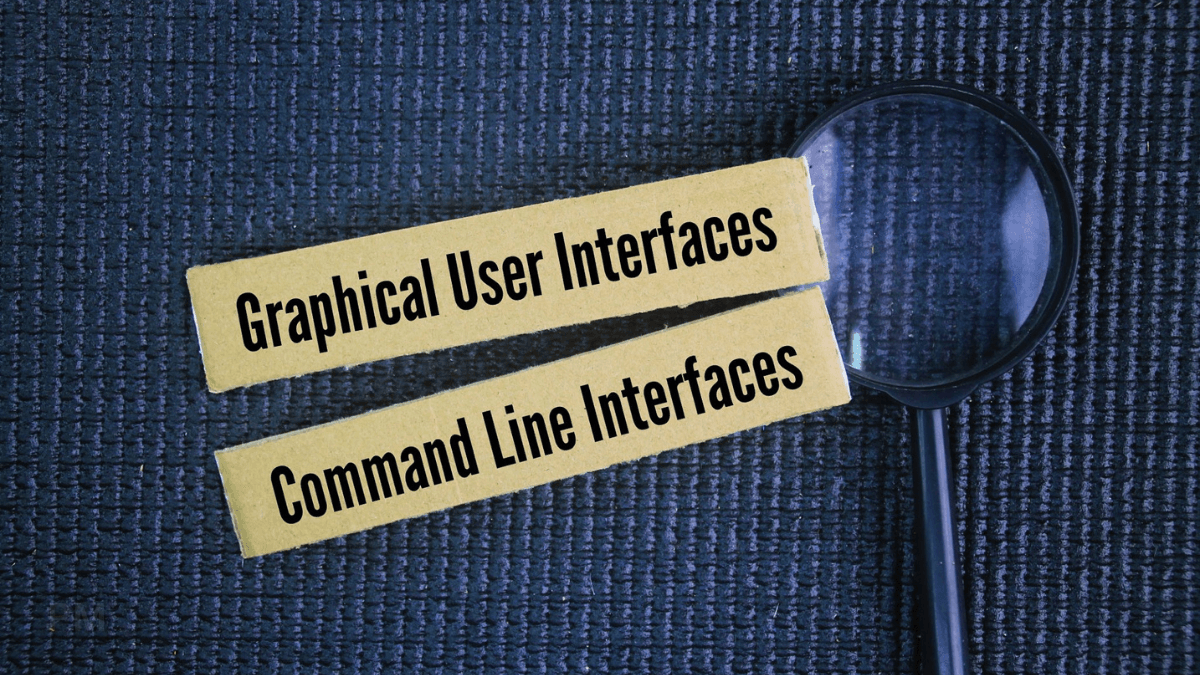
Command-line or graphical interface? The answer depends on who's using it. Here's my decision framework.

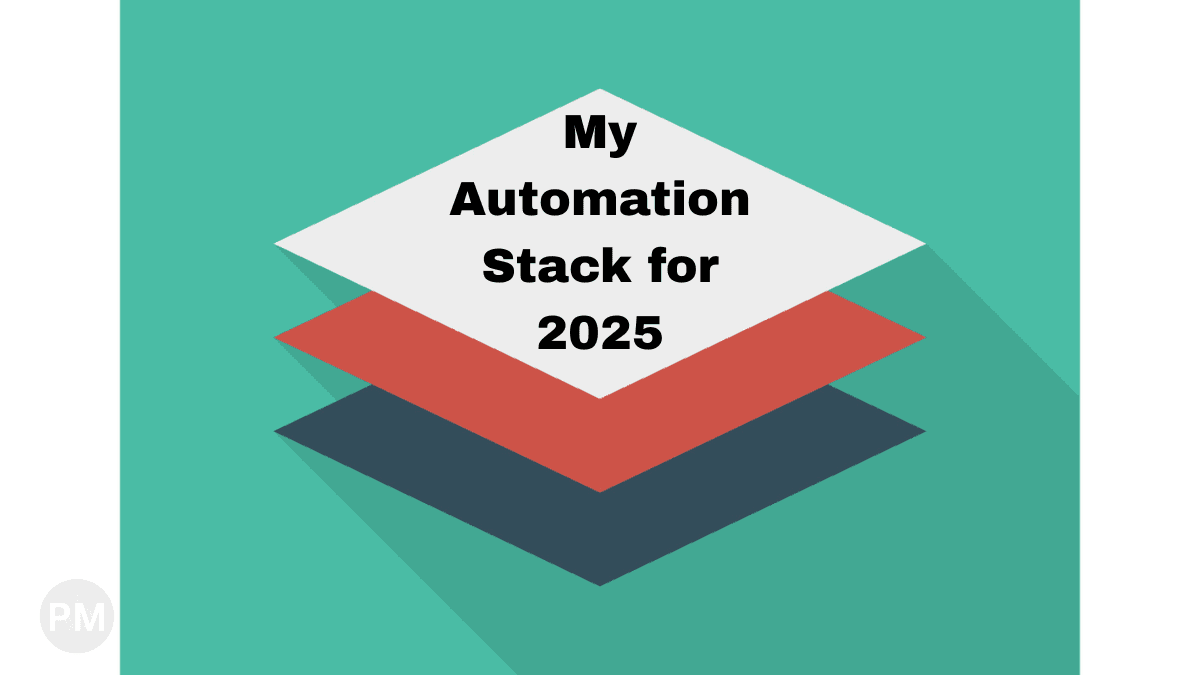
Tools change. Principles don't. Here's a look at the 'Switcherboard' stack I reach for in 2025—and why I value clarity over complexity.

Internal tools deserve product thinking. Here's why UX, documentation, and user empathy matter—even when you're the only user.

That 10-minute script saved time today. But it's costing you every day after. Here's the real math of quick-fix automation.

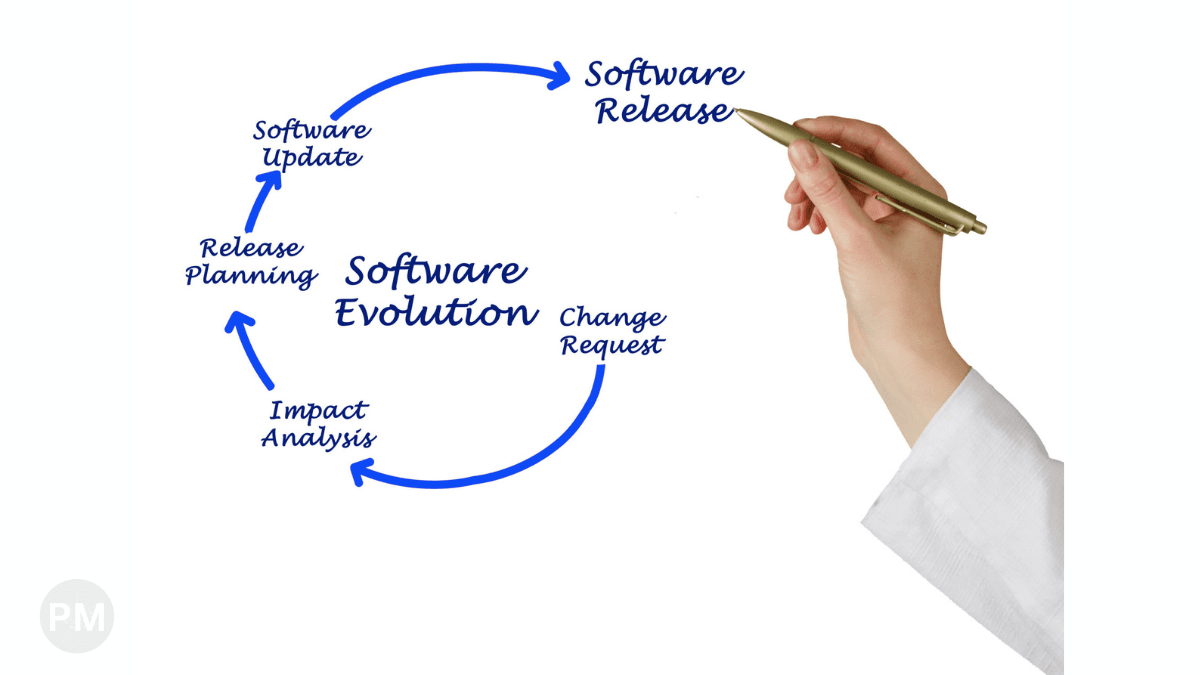
It's not the initial build that's hard—it's keeping it running. Here are the common failure patterns that kill automations after launch.

The real question isn't 'no-code or code?' It's 'what's the right tool for this job?' Here is why I use both.

Big platforms are tempting. But small, focused tools are what actually get used. Here is why I intentionally stay small.

Learning new tech doesn't have to be overwhelming. Here is my system for picking up new tools quickly without burning out.

A behind-the-scenes look at how I built the Document AI Starter — a lightweight Google Cloud workflow for turning PDFs into structured Excel data.

Power Automate is powerful, but it has limits. Here is when to reach for Python (or another language) instead.

AI demos look perfect. Production AI is messy. Here are the 4 reasons AI automations fail and how to avoid them.

See how Google Document AI and Python were used to convert 197 messy EMS PDFs into a clean, searchable Excel dataset.

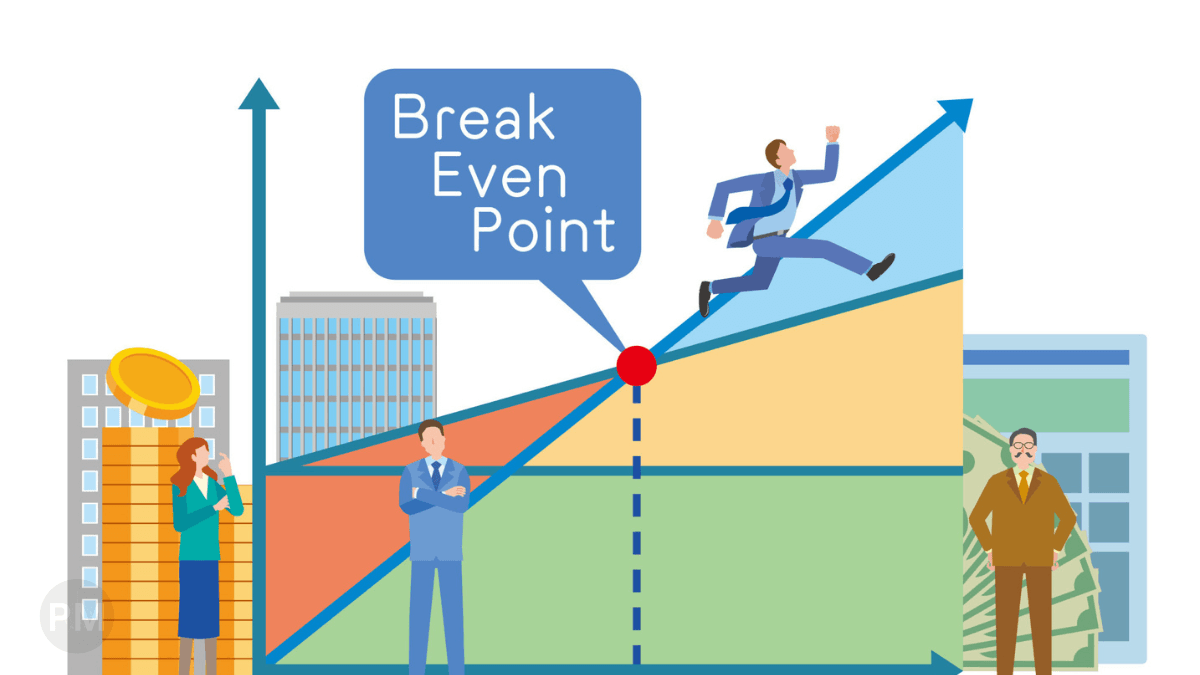
When does automation actually save time? Here is the math behind the break-even point and why it's not just about speed.

All three serve different purposes. Here is when to use each one and why I use all three in the same project.

Stop Base64 data URIs from breaking your Power Automate email attachments. Learn the simple Compose expressions to clean the string and convert it to a working file format.

This guide explains how to automate signature workflows by integrating SharePoint with Adobe Sign.

A single 500-line script works until it doesn't. Here is the project architecture I use to keep automation maintainable.

Everyone focuses on making automation work. Almost no one focuses on proving it worked. Here is why logging is your secret weapon.

Discover 5 workflow automation examples you can set up today with Microsoft Power Automate. Learn how to save time, reduce errors, and boost productivity all with little to no coding required.

Most people stop at scripts. But tools and systems are where automation gets powerful. Here is how to think about each level.

Not every task deserves a script. Here is the decision-making framework I use to decide what to automate and what to leave manual.

Unpack the importance of metadata for SEO and social media. Learn how to optimize your title tags, description, Open Graph, and Twitter Cards to make your site shine.

A developer's journal entry on building and launching their personal site, covering key decisions, tools, and lessons learned.

How a simple 'Move File' script evolved into an intelligent, extension-aware sorting system, and what it taught me about scalable automation.